


Healthy Gums, Confident Smile
Soft Tissue Grafts in Mequon, Wisconsin
Protect exposed roots, reduce sensitivity, and restore a balanced gumline.
When gums recede or thin out over the years, a soft tissue graft brings that lost tissue back. Placing healthy gum tissue exactly where it’s needed lets us cover exposed roots, ease discomfort, and shore up your oral health for the long term. Our Mequon, Wisconsin team pairs gentle techniques with care built around you, so your smile can look and feel its best.

Mequon Dental Arts & Implants • Serving Mequon Since 1999
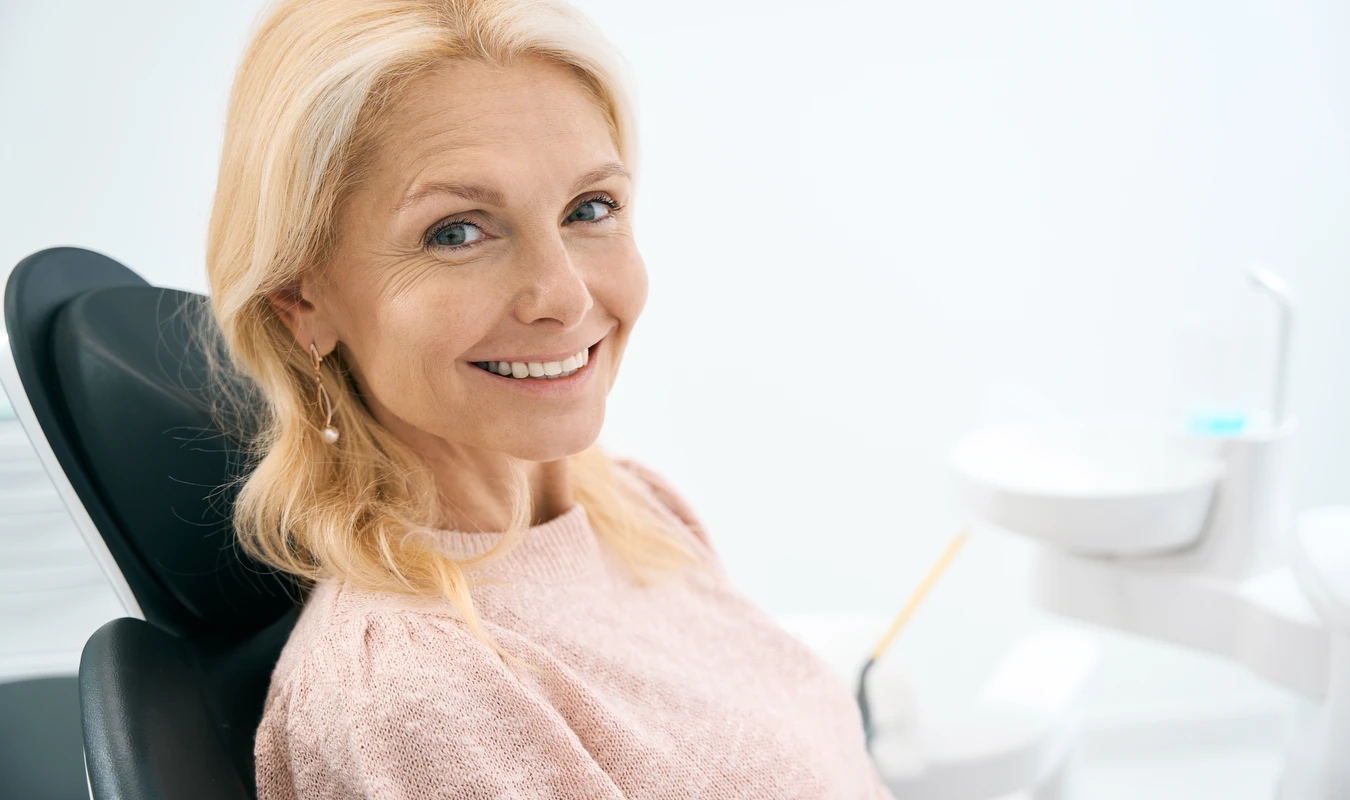
Soft Tissue Grafts to Restore Your Gums
In Mequon, Wisconsin, soft tissue grafts rebuild and reinforce gums when recession or thinning has left your teeth exposed. We take time to hear your concerns, lay out your options, and design a grafting plan that protects your teeth, enhances your smile, and keeps you comfortable for the long haul.
Why Soft Tissue Grafts Are Recommended
Gum recession can stem from periodontal disease, overly hard brushing, clenching, genetics, or even orthodontic movement. As the gums pull back, tooth roots become exposed, bringing sensitivity, a “long in the tooth” look, and a higher risk of decay and wear. A soft tissue graft replaces or reinforces the lost tissue, building a healthier, steadier foundation.
- Protects Exposed Roots Covers vulnerable root surfaces to ease sensitivity and cut the risk of decay.
- Strengthens Thin or Weak Gums Adds thickness to delicate tissue so it resists future recession.
- Improves Smile Appearance Restores a more even gumline and a fresher, more balanced look.
- Supports Long-Term Tooth Stability Helps keep teeth firmly held by healthier surrounding tissue.
What Happens During a Soft Tissue Graft?
We gently numb the area so you stay comfortable, then place soft tissue over the recession — either from your own mouth or from a prepared donor graft — and shape and secure it precisely. Over time it knits into your existing gums for a stronger, healthier gumline. Most patients are pleasantly surprised by how quick the procedure is and how manageable the recovery feels.
- Precise local anesthesia to keep you comfortable throughout
- Modern grafting materials chosen for safety, strength, and a natural look
- Gentle, minimally invasive techniques that support faster, smoother healing
Healing, Aftercare, and Next Steps
After a graft, you’ll get simple, easy-to-follow instructions for keeping the area clean and protected. A few days of mild soreness or swelling is normal and often eases with recommended over-the-counter pain relief. We’ll schedule follow-ups to watch the healing, tweak your home care, and coach you on gentle brushing. If you’re noticing gum recession, sensitivity, or changes in your gumline, book online to schedule a consultation and find out whether a soft tissue graft is right for you.

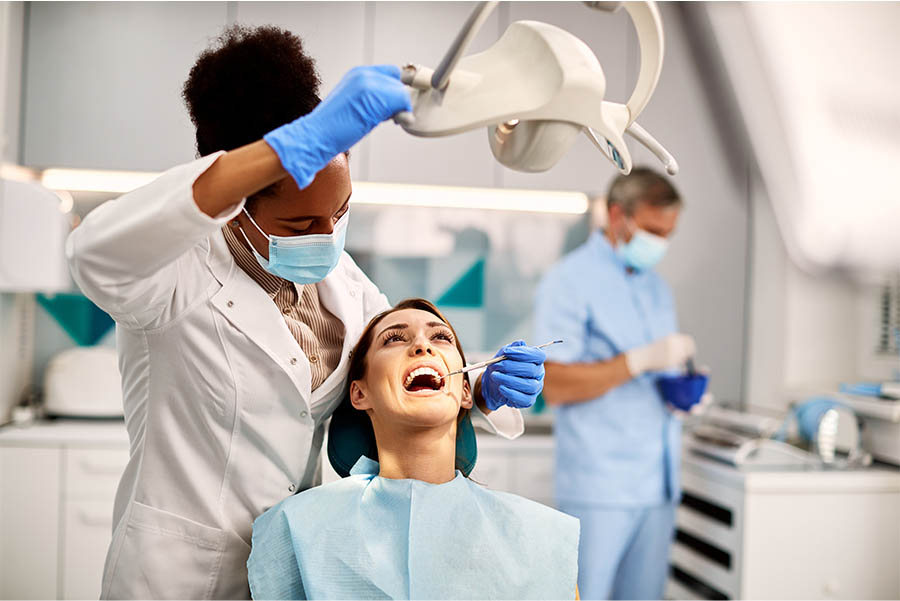
The short answer
A soft tissue graft is a periodontal procedure that adds healthy gum tissue where the gums have receded or grown too thin, covering exposed tooth roots and reinforcing the gumline. After the area is numbed with local anesthesia, tissue from your own mouth, often the palate, or a prepared donor graft is placed over the recession, shaped and secured, and over time it knits into the existing gums. It is recommended when recession from gum disease, hard brushing, clenching, genetics or orthodontic movement leaves roots exposed, to ease sensitivity and lower the risk of decay.
Soft Tissue Grafts: Frequently Asked Questions
- What is a soft tissue graft?
- A soft tissue graft is a periodontal procedure that adds healthy gum tissue where the gums have receded or grown too thin. The graft covers exposed roots and strengthens the gumline. It also improves the overall health and look of your smile.
- How do I know if I need a soft tissue graft?
- You may need a soft tissue graft if your teeth look longer, roots are showing, hot and cold set off sensitivity, or you have been told you have gum recession. At your exam, your gums are measured and your symptoms reviewed. That shows whether grafting makes sense for you.
- Is a soft tissue graft painful?
- A soft tissue graft is done under local anesthesia, so you should feel pressure but not pain during the procedure. Some soreness, tenderness or mild swelling afterward is normal and usually manageable with recommended over-the-counter pain relief. Careful home care helps too, and comfort tips are covered before you leave.
- Where does the grafted tissue come from?
- Grafted tissue comes either from your own mouth, often the palate, or from carefully processed donor material made specifically for gum grafting. Either way it is shaped and secured over the area of recession. Your dentist explains which option suits your comfort, health history and goals.
- What is recovery like after a soft tissue graft?
- Most patients are back to daily activities within a day or two after a soft tissue graft. Hold off on strenuous exercise until you get the go-ahead, eat softer foods for a short while, and avoid brushing directly on the graft until it starts to heal. Follow-up visits track the healing and adjust your home care.
- How long will the results of a soft tissue graft last?
- With good oral hygiene and regular checkups, the benefits of a soft tissue graft can last many years. Protecting them means using the right brushing technique, managing any clenching or grinding, and treating any underlying gum disease. Your dentist helps with each of these at your visits.
- Will insurance cover my soft tissue graft?
- Many dental plans offer partial coverage for medically necessary grafts, especially when recession is affecting tooth health, though benefits vary by plan. The team can review your benefits and provide an estimate. Payment options are explained before treatment begins.
- How do I get started with soft tissue grafts?
- To get started, book an exam and consultation online in Mequon, Wisconsin. Your dentist evaluates your gums and talks through your concerns. You then get a personalized plan to protect your teeth and restore your gum health.



“Amazing Team and Experience”
I had a great experience at Mequon Dental Arts. Everyone was kind, professional, and made me feel comfortable from the moment I arrived. My appointment was efficient, and the dentist took the time to answer my questions and explain my care clearly.
“Super Professional and Caring”
I’m so glad I found Mequon Dental Arts. The entire team was welcoming, honest, and professional, and they made sure I felt comfortable throughout my visit. The care was gentle, and everything was explained clearly.