


Healthy, Comfortable Gum Treatment
Gingivectomy in Mequon, Wisconsin
Restore diseased or overgrown gums with gentle gingivectomy care.
A gingivectomy trims away infected or overgrown gum tissue, leaving your teeth and gums healthier and simpler to keep clean. Working in Mequon, Wisconsin, we put comfort, straight talk, and dependable results front and center — walking you through each step, fielding your questions, and shaping a plan around your smile and your schedule.

Mequon Dental Arts & Implants • Serving Mequon Since 1999

Gentle Gingivectomy Care
By reshaping or removing gum tissue, a gingivectomy shrinks deep pockets, tamps down infection, and tidies up the look of your smile. In Mequon, Wisconsin, a modern, gentle approach keeps the experience about as simple and low-stress as it gets, all while guarding your long-term oral health.
What Is a Gingivectomy?
Your dentist removes just a small band of gum tissue from around chosen teeth. It comes up most often when gum disease has left deep, bacteria-harboring pockets, or when surplus gum tissue produces a “gummy” look or gets in the way of cleaning. Reshaping the gumline makes brushing and flossing simpler and cuts your risk of later infection or bone loss.
- Removes Diseased Gum Tissue Helps rein in moderate to advanced gum disease by shrinking bacterial pockets.
- Improves Gum Shape Refines uneven or bulky gums for a more balanced, confident smile.
- Makes Cleaning Easier Shallower pockets are simpler to reach with a toothbrush and floss.
- Protects Supporting Bone Healthier gums help defend the bone that keeps your teeth steady.
What to Expect During Treatment
First, we examine your gums closely, review X-rays, and go over your medical history to confirm a gingivectomy is the right move. On the day of your visit, we numb the area with local anesthetic so you stay comfortable, then precisely remove and reshape the gum tissue, sometimes placing a protective dressing while it heals.
- Comfortable local anesthesia to numb the treatment area
- Focused instruments for precise gum reshaping
- Thorough cleaning of the treated sites to reduce bacteria
- Clear post-visit instructions to support smooth healing
Healing, Results, and Long-Term Care
Mild soreness or swelling for a few days is normal after a gingivectomy and usually settles with over-the-counter pain relief and a soft diet. As the gums heal, you’ll likely find your teeth easier to clean and your smile looking more even. We’ll set up follow-ups to check healing, adjust your home care, and provide ongoing periodontal maintenance if needed.
- Simple Home Care Rinse as directed, brush gently around the area, and skip hard or spicy foods until comfort returns.
- Personalized Maintenance Plan We tailor your cleaning schedule and at-home tips to keep your gums healthy.
- Support for Your Overall Health Healthier gums may support better overall wellness and ease inflammation elsewhere in the body.
If you’re dealing with bleeding gums, deep pockets, or gums you’re unhappy with, our team is here to help. Book online to schedule a gingivectomy consultation and learn whether this treatment is right for you.

The short answer
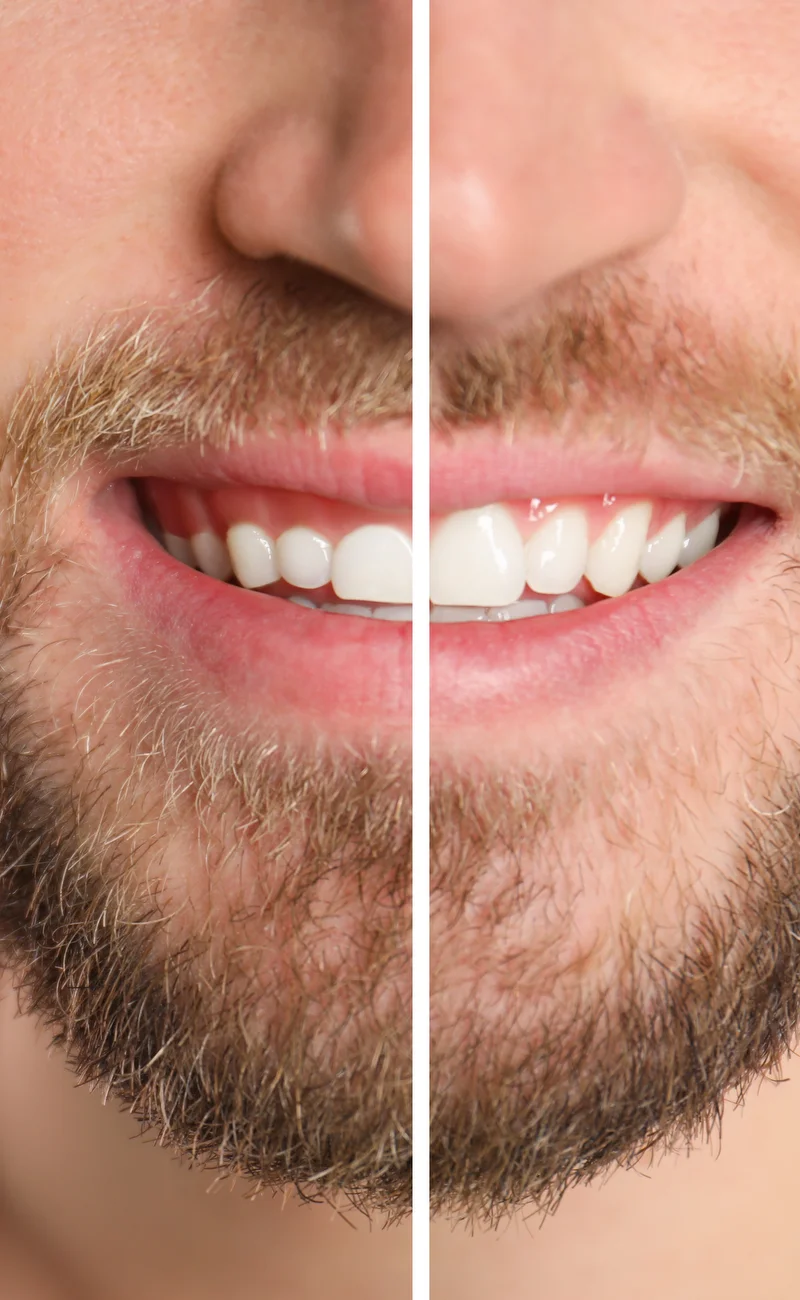
A gingivectomy is a gum procedure in which a small band of infected or overgrown gum tissue is removed from around selected teeth to shrink deep pockets and reshape the gumline. After an exam, X-rays and a medical history review, the area is numbed with local anesthetic, the tissue is removed and reshaped, and a protective dressing is sometimes placed while it heals. It is used for gum disease that has left deep, bacteria-harboring pockets and for excess tissue that causes a “gummy” look, making teeth easier to clean and lowering the risk of later infection or bone loss.
Gingivectomy: Frequently Asked Questions
- What problems can a gingivectomy treat?
- A gingivectomy treats gum disease that has opened deep pockets around the teeth, and excess gum tissue that traps plaque or creates a “gummy” smile. Removing and reshaping the gums cuts down bacteria and makes daily cleaning easier. It can also leave the gumline looking more even, and it is often part of a broader periodontal plan.
- Is a gingivectomy painful?
- A gingivectomy should not hurt during the procedure, because the gums are fully numbed with local anesthetic and you feel pressure rather than pain. A little soreness afterward is normal. It usually settles with over-the-counter pain relievers, a soft diet for a few days and the care instructions you receive.
- How long does it take to heal after a gingivectomy?
- Early healing after a gingivectomy usually takes a week or two, though the gum tissue keeps maturing for a while longer. Most patients are back to work or school within a day or two. You can ease back into your normal diet as tenderness fades, and follow-up visits check that healing is on track.
- Will my gums look different after the procedure?
- Yes, your gums will look different, because a healthier, more balanced gumline is one of the goals of a gingivectomy. Once healed, many patients find their teeth look more proportionate and their smile less “gummy” than before. The procedure is planned carefully for a natural, harmonious result.
- How should I care for my mouth after a gingivectomy?
- After a gingivectomy, follow the detailed instructions you go home with, which usually mean soft foods for a few days, no very hot or spicy foods, and gentle brushing and flossing around the area. Rinse as directed and use any prescribed rinses. Keeping your follow-up visits helps the gums heal smoothly and lets your home care be adjusted as needed.
- Is a gingivectomy covered by dental insurance?
- Whether a gingivectomy is covered depends on your plan and on whether the procedure is medically necessary for gum disease or mainly cosmetic. Your benefits can be reviewed and any needed documentation submitted to your insurer. You also receive an estimate before treatment, so you know what to expect.
- Am I a good candidate for a gingivectomy?
- You may be a good candidate for a gingivectomy if you have gum disease that hasn’t fully responded to non-surgical care, deep pockets that are hard to clean, or excess gum tissue affecting your smile. An evaluation in Mequon, Wisconsin is the clearest way to know. Your dentist will examine your gums, review X-rays and your medical history, and talk through your goals before recommending the right care.
- How do I get started?
- To get started, book online to schedule a gingivectomy consultation. It’s worth reaching out if bleeding gums, gum disease or the look of your gumline is on your mind. At the consultation your gums are examined and you learn whether this treatment is right for you.



“Amazing Team and Experience”
I had a great experience at Mequon Dental Arts. Everyone was kind, professional, and made me feel comfortable from the moment I arrived. My appointment was efficient, and the dentist took the time to answer my questions and explain my care clearly.

“Super Professional and Caring”
I’m so glad I found Mequon Dental Arts. The entire team was welcoming, honest, and professional, and they made sure I felt comfortable throughout my visit. The care was gentle, and everything was explained clearly.