

Preventive Oral Health
Oral Cancer Screening in Mequon, Wisconsin
Quick, comfortable screenings for early detection.
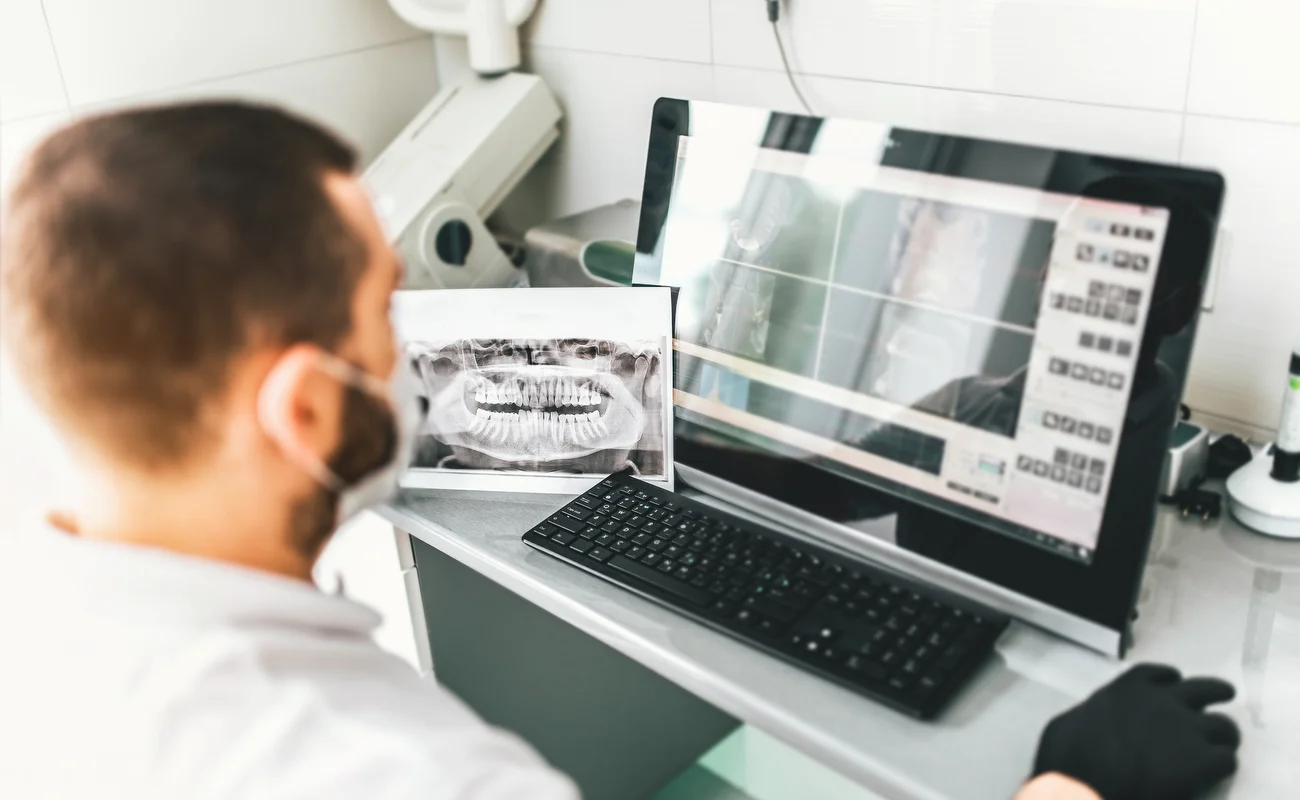
Tucked into your routine dental visit, an oral cancer screening is a small step that can matter a great deal for your health. Our Mequon, Wisconsin team gently examines your lips, tongue, cheeks, and throat for anything out of the ordinary — the goal being to spot concerns early, ease your mind, and help safeguard your well-being overall.
Mequon Dental Arts & Implants • Serving Mequon Since 1999
Oral Cancer Screening
An oral cancer screening is a quick exam we carry out during your regular checkup in Mequon, Wisconsin. We look closely for early signs of change in the mouth so anything of concern can be addressed sooner, when treatment tends to be more successful and less invasive.
What Is an Oral Cancer Screening?
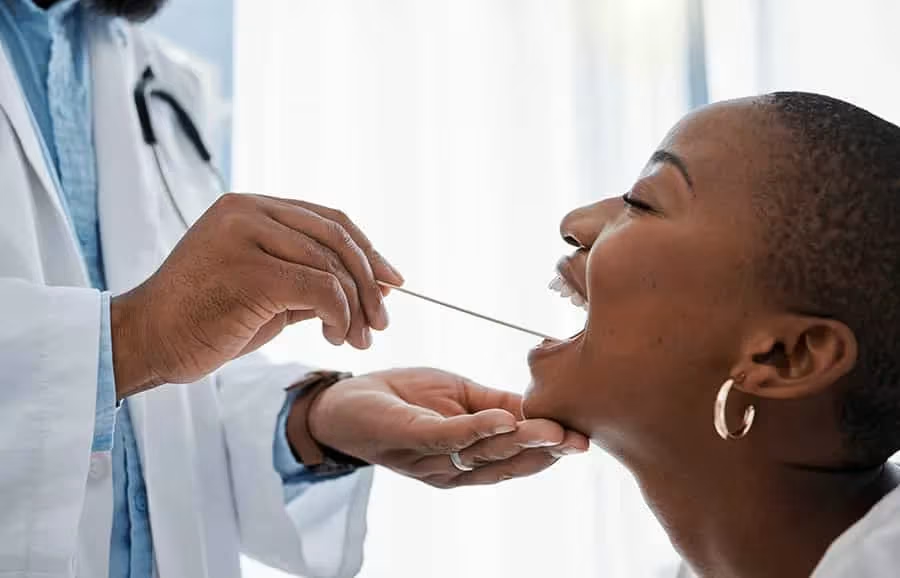
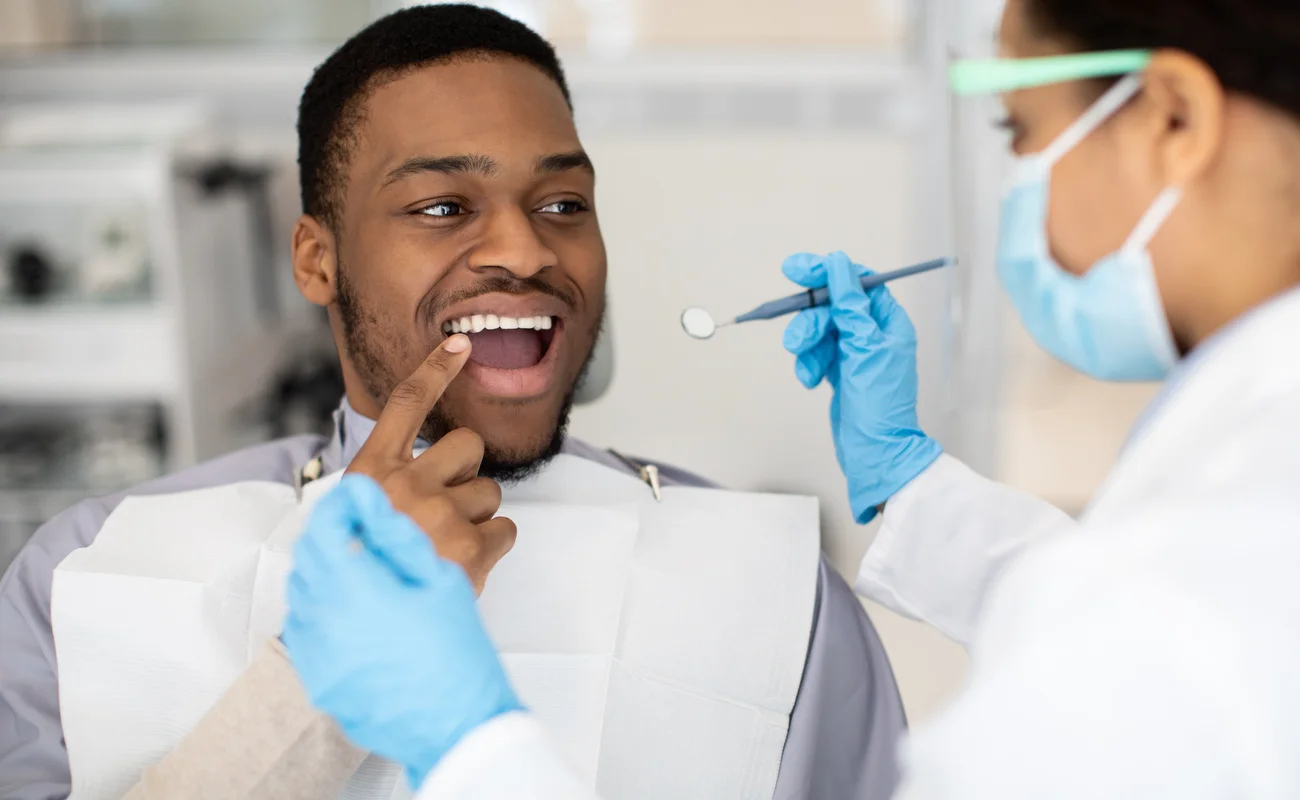
It’s a visual and physical exam of your mouth, tongue, lips, gums, and throat. Your dentist watches for spots, sores, lumps, or tissue changes that warrant a closer look. Most of the time nothing unusual turns up, but if something does, we can point you toward the right next steps on the spot.
Benefits of Routine Oral Cancer Screening
Folding oral cancer screening into your regular dental visits is an easy way to stay ahead of your health.
- Early Detection of Changes Boosts the odds of catching concerns before they turn serious.
- Peace of Mind Rest easier knowing a professional is watching for subtle signs you might miss at home.
- Simple and Convenient Done in just a few minutes as part of your normal visit.
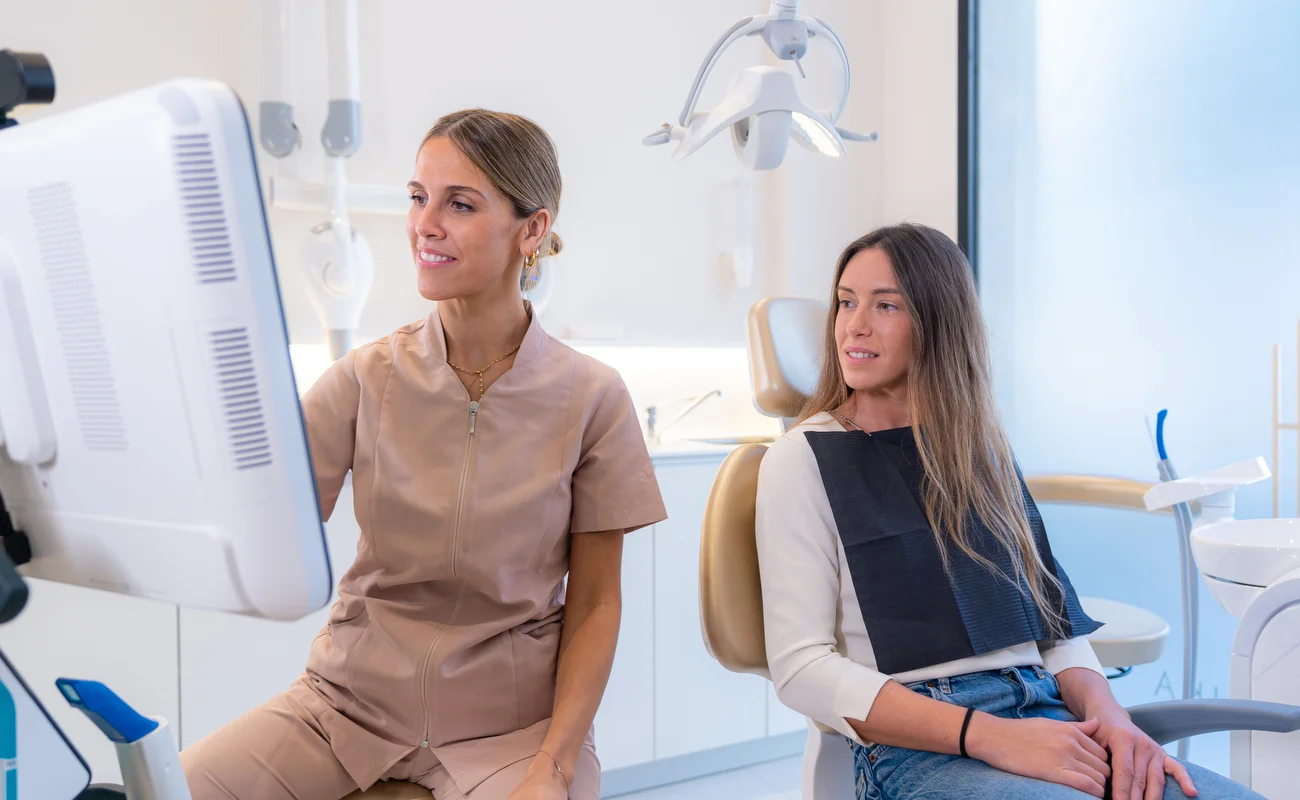
- Personalized Risk Review A chance to talk through lifestyle, family history, and any symptoms you’ve noticed.
What to Expect During Your Screening
Your comfort always comes first, and most patients are surprised by how quick and easy a screening feels.
- A visual exam of your lips, tongue, cheeks, gums, and throat
- Gentle palpation of your neck and jaw to check for unusual lumps or tenderness
- A careful review of any spots, sores, or rough areas you’ve noticed at home
- Recommendations for further evaluation if an area needs monitoring or a specialist’s opinion
Who Should Have an Oral Cancer Screening?
Every adult stands to benefit from routine screening, especially anyone who uses tobacco, drinks alcohol often, has a history of HPV, or has cancer in the family. Even without those risk factors, regular screenings are a smart piece of preventive care.
If you have a sore that won’t heal, a lump, ongoing hoarseness, or a change in how your teeth or dentures fit, let us know right away. Book online to schedule an oral cancer screening as part of your exam, or just ask about it at your next visit.
The short answer
An oral cancer screening is a quick visual and physical exam of your mouth, lips, tongue, cheeks, gums and throat that looks for spots, sores, lumps or tissue changes that warrant a closer look. During a routine checkup, your dentist examines these areas, gently feels your neck and jaw for unusual lumps or tenderness, and reviews any spots, sores or rough areas you have noticed at home. Its purpose is to catch concerns early, when treatment tends to be more successful and less invasive, and to recommend further evaluation if an area needs monitoring or a specialist’s opinion.
Oral Cancer Screening: Frequently Asked Questions
- Why is oral cancer screening important?
- Oral cancer screening is important because it flags early changes in the mouth that you would likely not notice yourself. Spotting those changes sooner usually means simpler treatment and better outcomes. That is why screening is built into routine dental visits.
- How often should I have an oral cancer screening?
- Most adults are screened every six months during their regular checkups. If you have higher risk factors, such as tobacco use or heavy drinking, your dentist may suggest more frequent monitoring. The screening takes just a few minutes as part of your normal visit.
- Is an oral cancer screening painful?
- An oral cancer screening should not hurt; it is fast and generally very comfortable. Your dentist looks around your mouth and gently feels your jaw and neck. You might sense light pressure during the exam.
- What are common signs of oral cancer?
- Common signs of oral cancer include sores that will not heal, red or white patches, lumps or thickened areas, trouble swallowing, ongoing hoarseness, and numbness in the mouth or lips. Having one of these signs does not mean you have cancer. It is still a good reason to be checked promptly, so let your dentist know right away.
- Am I at higher risk for oral cancer?
- Your risk of oral cancer may be higher if you use tobacco, drink alcohol often, have a history of HPV, spend a lot of time in the sun without lip protection, or have cancer in your family. Even without those risk factors, regular screenings are a sensible part of preventive care. At your visit, your dentist reviews your health history and helps you understand your personal risk.
- What happens if you find something unusual?
- If an area looks unusual, your dentist may suggest watching it closely, taking photos for comparison, or referring you to a specialist for a biopsy. Most of the time nothing unusual turns up, but anything that does can be addressed sooner. Each step is explained clearly so you know what to expect and can make informed decisions.
- Is oral cancer screening covered by insurance?
- Oral cancer screening is often part of a routine dental exam, which many plans help cover. Benefits vary from plan to plan. The team can review your coverage and clarify any out-of-pocket cost beforehand.
- Can I request an oral cancer screening even if I have no symptoms?
- Yes, you can request an oral cancer screening even if you have no symptoms. Symptoms are not a prerequisite, and screenings are most valuable before anything shows up. That is why screening is suggested as part of regular care for every adult.
- How do I schedule an oral cancer screening?
- You can schedule an oral cancer screening by booking online, or by mentioning it when you book your next checkup. The screening is done as part of your regular exam. The team will help you find a time that works.



“Amazing Team and Experience”
I had a great experience at Mequon Dental Arts. Everyone was kind, professional, and made me feel comfortable from the moment I arrived. My appointment was efficient, and the dentist took the time to answer my questions and explain my care clearly.
“Super Professional and Caring”
I’m so glad I found Mequon Dental Arts. The entire team was welcoming, honest, and professional, and they made sure I felt comfortable throughout my visit. The care was gentle, and everything was explained clearly.